Upcoming CEU Events

Our Host
Guiding us through the teachings
Leyla Welkin PhD LMHC
Psychotherapist

Event Details
Improving Trauma Treatment Using Cross-Cultural Perspectives (3 CEUs)
Location
Online via Zoom
Treatment for interpersonal trauma and the effects of violence is most often framed from a biomedical perspective in the individualistic cultural context of mainstream US society. This approach has left most psychotherapists, treatment professionals and other helpers with a major blind spot. We are also psychosocial cultural beings. One of the central injuries from interpersonal violence is harm to our interpersonal skills and capacity to trust. Healing well from trauma requires special attention to rebuilding our interpersonal and relationship skills and capacity to trust. Informed by cross-cultural research in relational cultures, we can enhance our understanding of both the harm done and the healing approaches required to more effectively treat interpersonal trauma and the aftermath of violence. This workshop outlines a way of viewing trauma effects and healing through a relational lens and introduces a set of principles to inform effective, cross-cultural collaboration and supportive group consultation.
Participants will be able to:
-
Identify and compare the way that individualistic and relational cultural contexts shape our understanding of trauma effects and trauma healing. With special attention to the way that relational cultural schemas enhance trauma healing.
-
Explain the way that cycles of trauma harm and healing framed with a relational emphasis enhance well being through supporting interpersonal skills and rebuilding trust.
-
Describe the way that cross-cultural collaboration can strengthen learning and resilience through a process that combines complexity, challenge and support within well-defined limits.
-
Become more alert to the way that power differences affect interpersonal relationships and require special attention to cross-cultural respect.
-
Identify a set of 6 Principles for effective cross-cultural working and how they inform the process of supportive consultation and collaboration across significant differences of point of view.
Date & Time
December 12, 2026
11:00 AM - 1:00 PM
Tickets are available on EventBrite
Our Host
Guiding us through the teachings
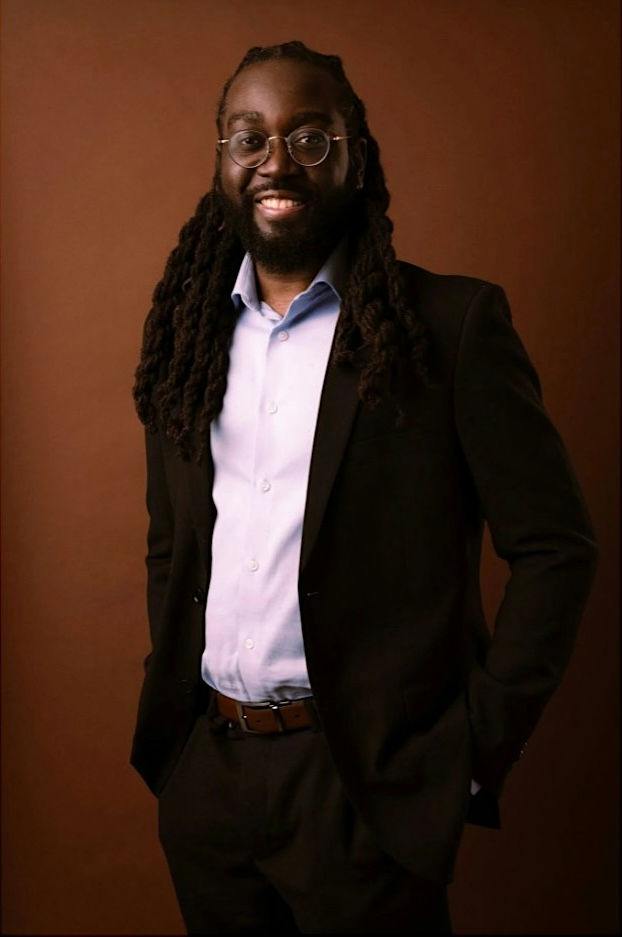
Kelvin Peprah MA LMHC
Seattle University
MAP Professor
Event Details
Working with BIPOC Clients and Imposter Syndrome (2 CEUs)
Location
Casey Commons Building
Room 530
Fifth Floor
SU Campus Walk, Seattle, WA 98122
In-person and Online
Impostor syndrome, known as the "silent killer" of confidence, often shows up differently for professionals of color, shaped not only by internal self-doubt but also by workplace cultures where lack of representation and microaggressions can lead to questions of belonging, and difficulty accepting or recognizing their own achievements. In these environments, high performance becomes a survival strategy, fueling overwork, emotional exhaustion, and burnout.
Participants will learn:
-
The history of Impostor Syndrome.
-
Identify racial and cultural factors that play a role in Impostor Syndrome for people of color.
-
List ways to reduce and address the feelings of impostorism.
Date & Time
December 12, 2026
11:00 AM - 1:00 PM
Tickets are available on EventBrite
Past CEU Events
Event Details
Focusing and Psychotherapy
(4 CEUs)
FOCUSING takes us ‘below’ emotion, memory, intellect, and linear thinking to experiencing - a source for direct inner knowing. In this workshop you will learn to listen to the body’s subtle signals, to perceive issues in entirely new ways, so that they become clearer and more amenable to change.
FOCUSING helps us access that inner intelligence called bodily wisdom. Through distinctive steps for interacting with the unique felt-sense of our experience (that which is as-yet-unclear to us), we learn to zigzag with and eventually harmonize what we think with what we feel - a skill that significantly enhances our interactions and communication with ourselves and with others.
Through this introductory course you can further develop how to:
-
Listen and communicate more effectively with yourself and others
-
Create both an internal and external environment of safety
-
Identify limiting patterns that are no longer useful
-
Identify and experience your own internal ‘felt-sense’
-
Find a match between what you think and what you feel
-
Focus with the support of another person
-
Apply what you have learned immediately, professionally and personally

Dr. Kevin Krycka
University Emeritus MAP Professor